
Skip the 200-guest wedding without skipping the romance. Six weekend formats close to home, and the permits, licenses and paperwork each one needs.
The short list
- Marriage license rules vary by state, so start with the county clerk’s office where you plan to marry.
- Nearly all national parks handle weddings through a special use permit on NPS Form 10-930, with non-refundable application fees from $25 to $350.
- On several national forests, weddings with fewer than 75 people need no special use permit, but props and paid vendors change that.
- Some parks make small ceremonies easy, such as Acadia’s allowance for elopements of 10 or fewer people.
- The BLM asks that you not advertise or collect fees for an event on its land until you have written authorization.
Eloping does not have to mean a plane ticket. A weekend within driving distance of home can hold the license, the vows and a very good dinner, usually at a fraction of a full wedding’s cost. The planning question is different, though. Instead of guest lists and room blocks, you are matching your ceremony format to the permits, licenses and land rules that apply to it. Here are six formats, with the paperwork each one involves.
1. The Courthouse Ceremony Plus a Dinner Reservation
A civil ceremony at a county courthouse is the simplest legal route, because the building exists to process one. Marriage license rules vary by state, so call the clerk’s office where you plan to marry and ask about application requirements, waiting periods and whether ceremonies run by appointment or on set days. One easy shape for the weekend: a Friday appointment, then a private room or a corner table at a restaurant you love. The paperwork is minimal, the license, the officiant the court provides, and any witnesses your state requires. Once the license is signed and filed, the document shuffle begins, and our guide to traveling after a name change covers the passport, ticket and ID order of operations.
2. Renting a Cabin and Holding the Ceremony Nearby
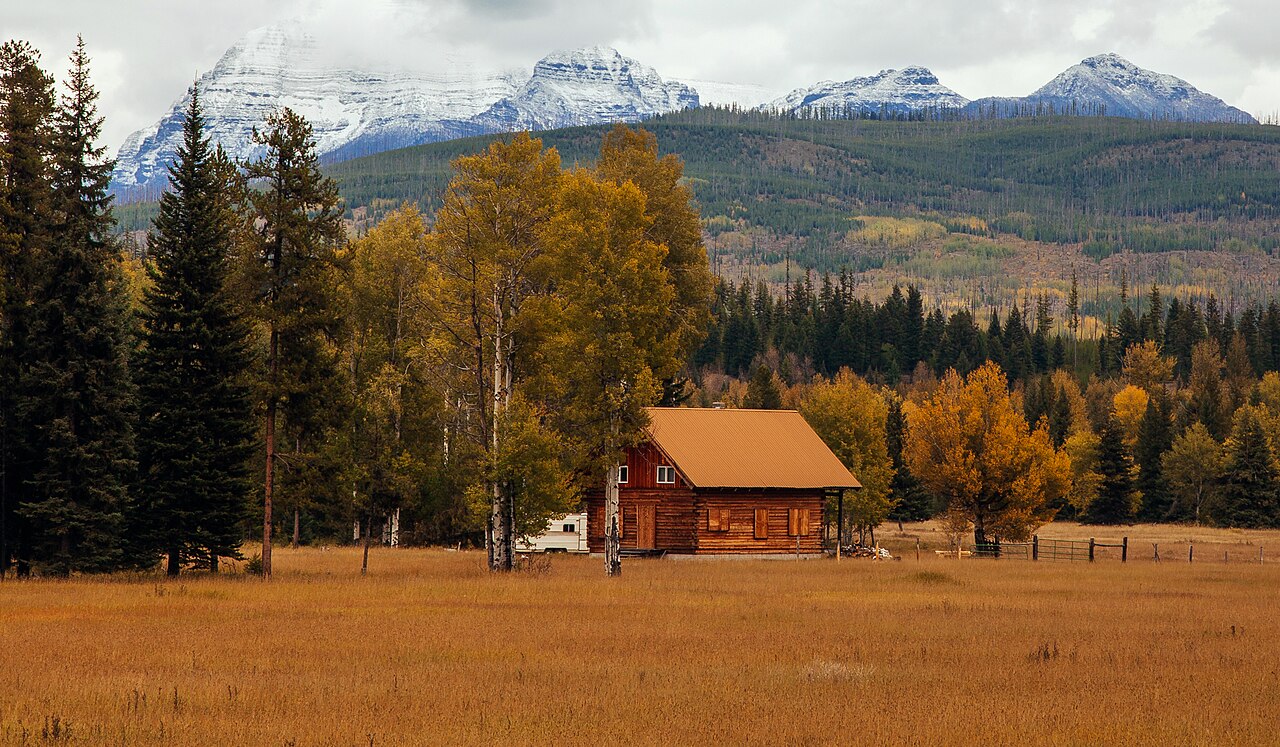
Federal cabins and campgrounds rent for the night, but a reservation is not a ceremony authorization. Vows on the cabin’s own porch are one situation; stepping onto adjacent national forest land for the ceremony or photos is another, and forest rules apply there. On several national forests, weddings with fewer than 75 people do not require a special use permit, but the details matter. Props such as arches or hay bales can trigger permit requirements and restrictions, some areas including wilderness zones do not allow events at all, and scattering non-native materials like rice or rose petals is prohibited on some forests. Photographers and planners paid to bring clients onto forest land need their own authorization regardless of group size, so ask whether yours has one.
3. A Sunrise Ceremony at a State or National Park
National parks are the classic elopement backdrop, and nearly all of them handle weddings through a special use permit on NPS Form 10-930. Application fees run from $25 to $350 and are non-refundable almost everywhere, even if your request is denied. Every park sets its own fee, application window and group limits, and a few make small ceremonies easy: Acadia allows elopements of 10 or fewer people without a permit. Contact the park’s permit office before you book lodging or vendors, and ask three things: whether your date is open, which locations fit your group size, and the total cost including any monitoring fees. Then check the quirks. Shenandoah does not allow real flowers in ceremonies, and White Sands can close for missile testing. Season matters too, desert parks are at their best October through April, while alpine parks are reliably snow-free from mid-July through September. Our full guide to getting married in a national park covers permits, fees and etiquette in detail. State parks set their own rules, so start with that specific park’s office.
Little trick: If a land office tells you no permit is required, ask for that confirmation in writing and bring a printed copy on the day. A screenshot answers a ranger’s question faster than an argument does.
4. A Backyard Elopement Done Properly
Your own backyard, or a relative’s, removes land permits from the equation entirely, which is exactly why couples underestimate everything else. The legal side still applies: a marriage license from your county, an officiant authorized in your state, and witnesses if your state requires them. If you hire a caterer or photographer, confirm they carry whatever licenses and insurance their work requires. And if the guest count grows past a handful, ask your city whether amplified music or extra street parking triggers any gathering notice. Rules vary widely by town, so a quick call to the clerk’s office beats an assumption.
5. Legal Paperwork First, Vows Anywhere
One clean approach separates the marriage from the ceremony. Complete the license at the courthouse or clerk’s office first, with the required officiant and witnesses, then hold a vow exchange wherever you like: a trailhead, a beach, a rented house, days or even months later. This works partly because land agencies treat those as two different things. Their rules govern the event and its impact on the resource, not the legal act of marriage itself. A symbolic ceremony still counts as an event to most agencies, so the permit question does not disappear, but the pressure on a single weekend does. The same split works across borders, which is why couples marrying overseas often consider the symbolic ceremony option we explain in getting married abroad.
6. Turning an Ordinary Weekend Town Into Your Wedding Weekend
Pick a small town a few hours away that you already like, and build a weekend around it: a park ceremony at golden hour, an inn with a good porch, one long dinner, a morning hike. City and county parks often require authorization for ceremonies, and municipal rules differ from state and federal ones, so email the parks department and get the answer in writing. If land managed by the Bureau of Land Management is nearby, organized events may need a Special Recreation Permit, and requirements vary by location. The BLM asks that you not advertise, collect fees or begin operations until you have written authorization. Applications run through the agency’s RAPTOR online system, now processed under updated permit categories that took effect Feb. 2, 2026 under the EXPLORE Act, a law enacted in January 2025.
Keep reading
- Getting Married in a National Park: Permits, Fees and Etiquette: the full rundown on park permits, application windows and ceremony etiquette.
- Traveling After a Name Change: Passports, Tickets and IDs: the order to update documents before your first post-wedding trip.
- Planning a Weekend Getaway for Two Without Wasting the Weekend: how to structure a short trip so the parts that matter actually happen.
Couples often ask
Do we need a permit to elope on public land?
Assume yes, then verify. Many city, state and national parks, national forests and BLM lands require some form of authorization for a ceremony, and rules differ from one agency to the next.
Can we sign the license first and exchange vows later?
Usually, yes. Many couples complete the legal marriage at a courthouse or clerk’s office and hold a symbolic ceremony wherever they like afterward. Filing rules and deadlines vary by state, so confirm the details with your county clerk.
Do photographers or officiants need their own permits?
Often, yes, on federal land. Photographers and elopement planners who are paid to bring clients onto national forest land need authorization no matter the group size, so ask whether yours has one before booking.
How far ahead should we apply for a national park wedding permit?
Every park sets its own application window, and popular dates go fast. Rocky Mountain’s summer slots can fill within days of applications opening a full year out, so contact the park’s permit office before booking lodging or vendors.
Entry rules, fees, permits and tax figures change. Confirm details with the State Department, the park, the resort or a tax professional before you rely on them. This guide is general information.