
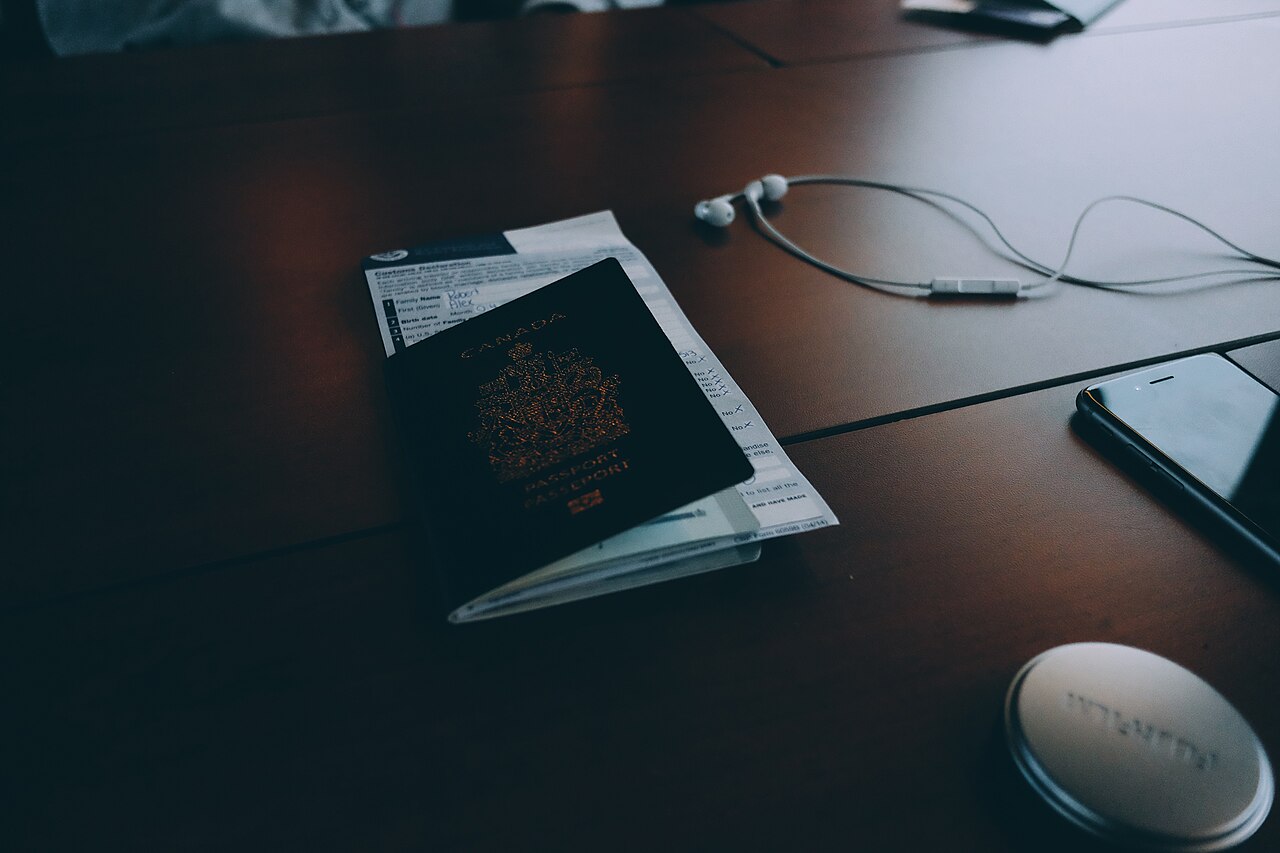
The fine print worth reading before you pay for a milestone trip, from passport expiry rules to cancellation deadlines and who feeds the cat.
The short list
- Many countries require a passport valid at least six months past your entry date; adult passports last 10 years, while passports for children under 16 last five.
- Free-cancellation windows range from 24 to 48 hours on flexible rates to 14 to 30 days around holidays and events, and deadlines usually run on hotel local time.
- Non-refundable rates are cheaper but usually cost you the full amount if you cancel or no-show, so pick your rate type on purpose.
- The FTC’s Cooling-Off Rule gives three business days to cancel certain sales made at your home or a seller’s temporary location, but not real estate, insurance, or securities.
- Approve time off and assign pets, plants, and mail before the deposit, so the only surprises on the trip are good ones.
An anniversary trip comes with a deadline most trips do not have: the date itself. That makes the fine print matter more than it does on a random weekend away, because you cannot quietly push the whole thing back a month without missing the point. Run this checklist before you enter a card number anywhere, and the paperwork will stay as romantic as paperwork ever gets.
Before You Pick a Destination
- Check both passports first. Adult passports are valid for 10 years, and passports for children under 16 are valid for five. Many countries require a passport to be valid for at least six months beyond your date of entry, and if yours falls short, the airline can deny boarding before you leave. If either passport expires within a year, renew before you commit to dates.
- Look up the exact rule for your destination. Six months is not universal. Several countries in the Schengen area require only three months of validity beyond your planned departure, while numerous countries in the Asia-Pacific and Middle East regions ask for the full six. Check the consulate’s official site or the State Department’s country information rather than a forum thread.
- Count blank pages and visa time. Some destinations want more than an unexpired document. India, for example, asks most travelers to have two blank pages for visa stamps, and many countries require a visa arranged in advance. Build application time into your planning before dates are final.
- Match the booking name to the passport. Flights and reservations need to match your documents exactly. If either of you changed a surname after marrying, our guide to traveling after a name change covers what has to line up before tickets get bought.
- Agree on the trip you are actually planning. A destination that thrills one of you and exhausts the other will not feel like a celebration. If your travel styles differ, work that out before a tempting price makes the decision for you; we cover the conversation in when you travel differently.
Before You Choose Your Dates
- Know whether your dates fall in peak season. Hotels often attach stricter cancellation terms to peak dates and special events, so the same property can be flexible in the shoulder season and rigid during a holiday week. If your anniversary falls in a busy window, expect longer deadlines and tighter change rules.
- Read the fine print on any deal. Special rates, including packages booked in advance or bundled with a flight or hotel stay, can carry blackout dates when the sale price is not available. Confirm your actual dates are eligible before you plan around a discount.
- Book popular properties early enough to choose, not settle. Small inns and sought-after resorts fill milestone-season dates far in advance. Booking early also keeps refundable rates on the table, which usually cost a bit more per night but keep your options open.
- Decide how hard the date itself matters. Some couples travel on the exact anniversary; others are happy a few weeks either side. Flexibility on dates widens your choice of rooms and rates, and it gives you somewhere to go if a storm or a schedule snarl gets in the way.
Before You Book the Room
- Verify the room, not just the hotel. Check the bed configuration, the view, and whether the rate covers the specific room category in the photos. If you book through a platform, a screenshot of what you selected makes any later conversation about a mismatched room much easier.
- Pick a rate type on purpose. The three main types are free cancellation, partially refundable, and non-refundable. Non-refundable rates are cheaper, but if you cancel or fail to arrive, assume the money is gone. Flexible rates cost more per night and buy the right to change your mind.
- Find the exact free-cancellation deadline. Look for a precise sentence, something like “free cancellation until 11:59 p.m. on the tenth,” and check which time zone it uses. Hotel local time has caught out plenty of travelers who assumed their own.
- Know who handles the cancellation. Depending on where you booked, you may need to cancel through the booking site or directly with the hotel. Confirm the confirmation email shows the policy you expected, and save it.
Typical windows vary by rate and season:
| Rate situation | Typical free-cancellation window | If you miss it |
|---|---|---|
| Flexible rate | Often 24 to 48 hours before check-in | A fee, the first night, or the full stay |
| Resort or peak-season stay | Around 7 days before arrival | One night up to the full stay |
| Holiday or special-event dates | 14 to 30 days before arrival | Steep penalties, sometimes the full stay |
| Non-refundable rate | None | Usually the full amount, with date changes limited or unavailable |
- Read the no-show terms too. If you do not arrive and do not cancel, the hotel may charge one night and release the rest, keep the full amount, or cancel the reservation entirely after a missed night. These are exactly the terms worth knowing before, not during, a travel delay.
Little trick: Set a calendar reminder for each cancellation deadline a day before it hits, in the hotel’s time zone. If plans wobble while you are deciding, that reminder is what protects the deposit.
Before You Pay the Deposit
- Read the terms on the page where you pay. Cancellation, change, and refund rules differ by rate, room type, season, and booking channel, and the policy attached to your specific booking is the one that counts. Confirm them on the rate details page before the card comes out, not in an email afterward.
- Treat prepaid reservations carefully. Paying ahead sometimes earns a discount, but for some prepaid bookings, including rental cars, fees can apply no matter when you cancel. Ask whether the savings are worth losing flexibility on a fixed-date trip.
- Ask the rental car company about driving records. Many rental companies check customers’ driving records, and recent violations can mean they will not rent to you even with a confirmed reservation. Better to learn that at booking time than at the counter.
- Slow down for on-vacation sales pitches. Resort presentations can bring pressure to sign on the spot, and the FTC has described timeshare exit scams where customers paid thousands, in one case between $5,000 and $80,000, for help that rarely arrived. Understand how you would get out of any contract before you get into it.
Don’t skip this: The FTC’s Cooling-Off Rule gives you three business days to cancel certain sales made at your home, workplace, dormitory, or a seller’s temporary location such as a hotel room, convention center, or fairground, though it does not cover real estate, insurance, or securities. To cancel, mail the signed cancellation form by certified mail so it is postmarked before midnight of the third business day after the sale.
Before You Arrange Time Off and Coverage at Home
- Get the time off approved before the deposit. A milestone trip booked around unapproved leave is a bet, not a plan. Confirm who covers what at work while you are both gone.
- Sort the home front. Pets, plants, mail, and anything on a timer need someone assigned by name. The goal is a trip where neither of you is quietly worrying about the house.
- Agree on the money now. Decide how trip costs are split and who pays which deposits, so the accounting never becomes a conversation on the trip itself.
- Plan for the what-if. Talk briefly through what happens if one of you cannot go: which parts of the booking are refundable, and by what date each decision has to be made.
- Save the hotel’s direct contact information. If a flight delays you, calling the hotel promptly can keep them from treating your reservation as a no-show and releasing the room.
Two Weeks Before You Go
- Reconfirm every reservation. Hotel, flights, transfers, dinners, tours. Reconfirmation is also the moment to ask the hotel to note any anniversary requests on your file.
- Recheck documents one last time. Passport validity against your destination’s rules, and that every ticket matches the names on those passports exactly.
- Clear data from any rental car. If you connect a phone to the car’s system, it may hold your locations, contacts, and message logs after you return it. Delete your paired device through the system’s settings menu, and grant the system only the permissions you actually need.
- Put the deadlines on the calendar. If anything does have to be canceled, note whether you go through the booking site or the hotel, since canceling through the wrong channel can cost you the refund.
- Print or screenshot the essentials. Confirmations, the cancellation policy you were quoted, and the address of your first night’s stay.
Then close the spreadsheet and let the trip be a trip.
Keep reading
- Plan a Milestone Anniversary Trip in Five Steps: the big-picture method this checklist supports, from naming the feeling to booking in the right order.
- Planning a Weekend Getaway for Two Without Wasting the Weekend: if the milestone calls for two days instead of two weeks, this shows how to make them count.
Couples often ask
How much passport validity do we need for a trip abroad?
Many countries require six months of validity beyond your date of entry, though some, including several in the Schengen area, require only three months past your departure. Check your destination’s official entry rules before you book anything.
What does free cancellation actually mean at a hotel?
It means you can cancel before a stated deadline and get your money back. The cutoff is often 24 to 48 hours before check-in on flexible rates, and longer at resorts, in peak season, and around holidays or special events.
Can we cancel something we signed up for during the trip itself?
Possibly. The FTC’s Cooling-Off Rule gives three business days to cancel certain sales made at your home, workplace, or a seller’s temporary location such as a hotel room or convention center. Sales involving real estate, insurance, or securities are not covered.
Should we book a refundable or non-refundable rate?
For a fixed-date trip, a refundable rate is usually worth the higher price because plans can change. Non-refundable rates cost less up front but typically return nothing if you cancel or do not show up.
Entry rules, fees, permits and tax figures change. Confirm details with the State Department, the park, the resort or a tax professional before you rely on them. This guide is general information.